Why Centralized Recycling Systems
Don’t Work Everywhere
Centralized recycling systems were built for dense urban regions with strong infrastructure. However, many coastal and island communities lack the land, reliable utilities, and waste volumes needed to sustain them. RePlastic focuses exactly where this infrastructure gap is greatest, selecting target areas based on critical needs and strong opportunities to deploy localized solutions.

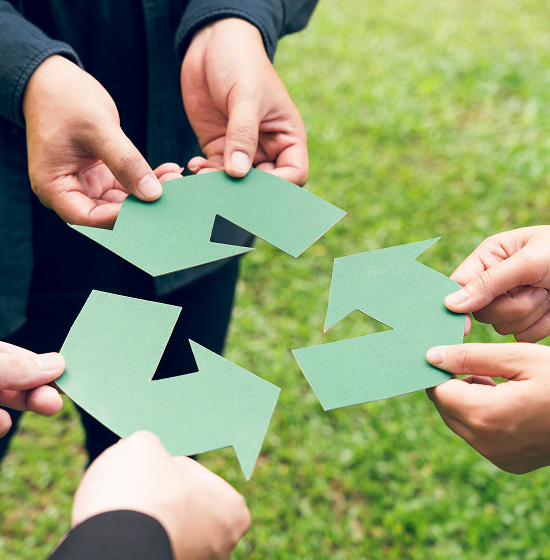
Infrastructure limitations that make large, centralized recycling systems difficult to build or maintain.
Limited waste disposal options, where landfills fill quickly, plastic easily enters coastal and marine environments, or are illeagelly dumped and burned.
High transportation and import costs, which make both waste export and material sourcing expensive.
Economic pressure to use local resources, creating opportunities for sustainability, economic stability, and environmental preservation.
Community-scale governance and decision-making, where local leaders and organizations can implement practical, place-based solutions.
THE TECHNOLOGY LAYER
We integrate advanced automation and intelligence to make small-scale recycling as precise and efficient as industrial-scale facilities
AI & MACHINE LEARNING
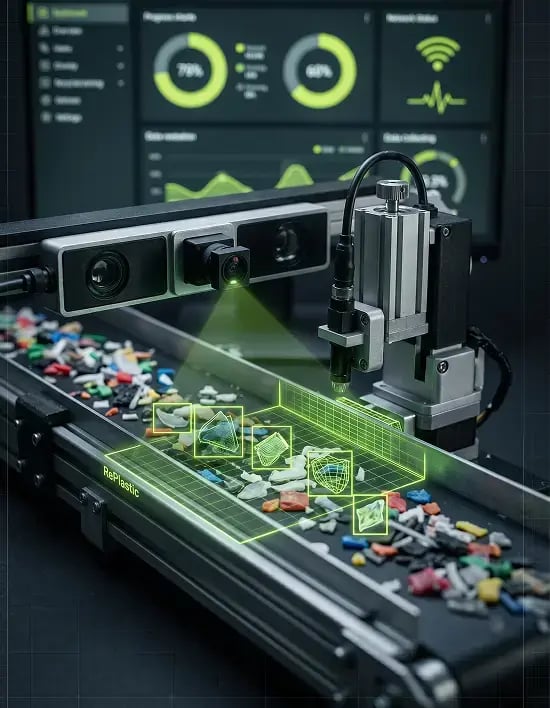
AI and advanced optics systems identify and classify plastic types during processing. Machine learning models improve sorting accuracy over time by recognizing material patterns, contamination, and resin types. This improves feedstock quality and ensures the recycled material is suitable for manufacturing durable products.
REAL-TIME DATA TRACKING
Sensors and software track material volumes, processing performance, and system output in real time. This data helps operators understand how much plastic is processed, what materials are flowing through the system, and where adjustments are needed. Key data can be accessed by facility managers and program partners to support operations and reporting.
ROBOTICS-ENHANCED SORTING
Robotic systems assist with separating and directing plastic materials during processing. Automated handling reduces manual sorting time and improves safety. This allows small facilities to process materials more efficiently with fewer operational constraints.
REMOTE MONITORING
Remote monitoring allows system performance and equipment status to be observed from anywhere. Operators can track system health, receive alerts, and diagnose issues without being on site. This reduces downtime and allows technical support to assist facilities quickly when needed.